
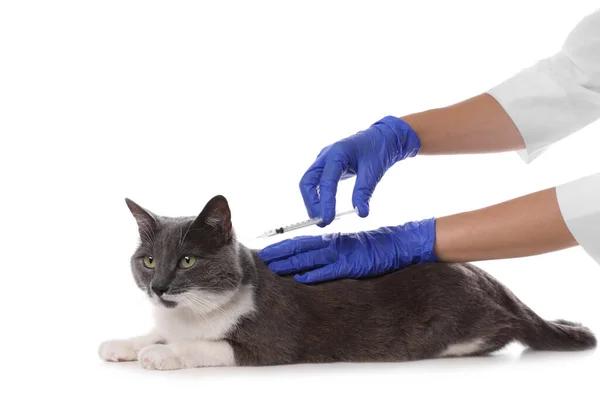
If you’re a cat owner, you’ve likely heard about the importance of vaccinations, particularly the feline distemper vaccine. This topic keeps coming up because vaccines are crucial in maintaining your cat’s health and preventing serious diseases. As a responsible pet owner, you want to ensure that your furry friend stays healthy and happy, and understanding the role of the distemper vaccine for cats is a key part of that.
What is Feline Distemper?
Feline distemper, also known as feline panleukopenia, is a highly contagious viral disease that can be fatal in cats. This disease affects the gastrointestinal tract, immune system, and can even impact the cat’s bone marrow. The cat distemper vaccine is designed to protect your pet from this dangerous virus. For more detailed information on this topic, you can always refer to a reliable page for comprehensive guidance.
Why Vaccinate Your Cat?
The distemper vaccine for cats is a crucial part of your cat’s health regimen because it provides immunity against a potentially deadly virus. Even indoor cats are at risk as the virus can be brought into the home on shoes, clothing, or other pets. Vaccination is your best defense in protecting your pet from this disease. The vaccine is typically given as part of a combination shot, which may also cover other diseases such as feline herpesvirus and calicivirus.
Understanding the Vaccination Schedule
It’s important to follow the recommended vaccination schedule to ensure your cat is adequately protected. Kittens should receive their first dose of the feline distemper vaccine at around 6 to 8 weeks old, with booster shots following every 3 to 4 weeks until they are about 16 weeks old. Adult cats should receive a booster shot every one to three years, depending on your veterinarian’s recommendations and your cat’s lifestyle.
Possible Side Effects of the Feline Distemper Vaccine
While the benefits of vaccinating your cat far outweigh the risks, it’s still essential to be aware of potential side effects. Most cats experience no adverse reactions, but some may have mild side effects such as soreness at the injection site, lethargy, or a mild fever. In rare cases, more severe reactions can occur, such as vomiting, diarrhea, or difficulty breathing. If you notice any unusual symptoms after your cat receives the vaccine, contact your veterinarian immediately.
Conclusion
Keeping your cat healthy involves regular veterinary care and staying up-to-date with vaccinations like the feline distemper vaccine. By understanding the importance of the distemper vaccine for cats and adhering to the vaccination schedule, you can help protect your pet from serious health issues. Always consult with your veterinarian to tailor a vaccination plan that suits your cat’s specific needs. Remember, a healthy cat is a happy cat, and vaccinations are a vital part of ensuring your furry friend stays in the best possible health.