
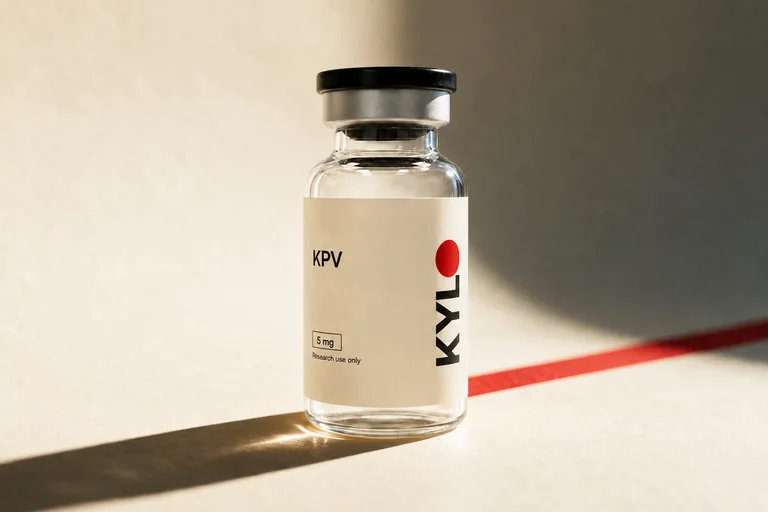
BPC-157, a synthetic peptide derived from a protein found in gastric juice, has garnered significant attention for its potential therapeutic benefits. As research continues to unfold, understanding the current evidence surrounding BPC-157 is crucial for both medical professionals and individuals interested in its applications.
The peptide’s primary allure lies in its purported regenerative properties. Studies have suggested that BPC-157 may accelerate healing processes across various tissues, including muscles, tendons, ligaments, and even the nervous system. This has positioned it as a promising candidate for aiding recovery from injuries and surgeries. The mechanisms behind these effects are thought to involve angiogenesis (the formation of new blood vessels), modulation of growth factors, and anti-inflammatory actions.
One of the most compelling aspects of BPC-157 is its potential role in gut health. Given its origin from gastric juice proteins, researchers have explored its efficacy in treating gastrointestinal disorders like inflammatory bowel BPC-157 peptide guide disease (IBD) and leaky gut syndrome. Preclinical studies on animal models have shown promising results, indicating reduced inflammation and enhanced intestinal barrier function. However, human trials are limited but necessary to validate these findings comprehensively.
Moreover, BPC-157’s influence extends beyond physical healing; there is emerging evidence suggesting neuroprotective effects. Some animal studies indicate that it may aid in nerve regeneration following injury or trauma by promoting neuronal survival and reducing oxidative stress markers. While these findings are intriguing, translating them into clinical practice requires more rigorous human research.
Safety profiles of peptides like BPC-157 are paramount considerations before widespread use can be recommended confidently. So far, available data suggests that BPC-157 exhibits minimal toxicity when administered within appropriate dosage ranges in animals; however caution should always be exercised due to insufficient long-term safety data involving humans at this stage.
Despite encouraging preliminary results across multiple domains – musculoskeletal repairment through wound-healing acceleration or neurological support – skepticism remains regarding standardization issues inherent with peptide therapies: purity levels vary between manufacturers potentially affecting consistency/reliability outcomes observed during trials/testing phases alike which could impact real-world applicability too given lack FDA approval status presently held here stateside currently complicating matters further still unfortunately!
In conclusion then while burgeoning interest surrounds topic overall thanks largely anecdotal reports coupled alongside preclinical successes seen thus far concerning diverse therapeutic avenues pursued via utilization thereof ultimately though definitive conclusions await discovery pending future investigations aimed addressing existing knowledge gaps persisting today around full scope implications associated specifically targeting individual patient needs optimally moving forward responsibly so informed decisions made accordingly based upon sound scientific principles guiding decision-making processes involved therein ensuring best outcomes possible achieved sustainably over time ahead!