
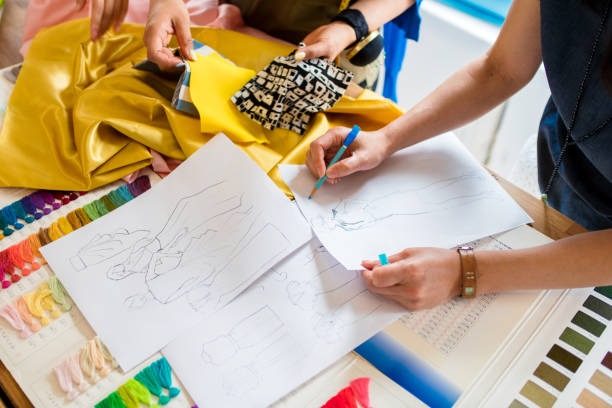
Kawaii fashion culture, originating in Japan, has experienced a remarkable global rise over the past few decades. Rooted in the Japanese word “kawaii,” meaning “cute” or “adorable,” this style emphasizes playful aesthetics, bright colors, and childlike innocence. Initially emerging from Tokyo’s Harajuku district during the 1970s and 1980s, kawaii fashion quickly became a form of self-expression among young people seeking to break away from traditional societal norms. Its appeal lies not only in its visual charm but also in its ability to convey positivity and creativity through clothing.
The spread of kawaii fashion beyond Japan can be attributed to several factors including globalization, social media, and increased cultural exchange. With platforms like Instagram, TikTok, and YouTube showcasing unique outfit ideas daily, enthusiasts worldwide have gained easy access to kawaii trends. Influencers and celebrities adopting elements of this style further fuel its popularity by making it more visible and relatable across diverse audiences. Additionally, international events such as anime conventions provide spaces where fans gather to celebrate not only their favorite shows but also associated fashion styles inspired by Japanese pop culture.
One defining characteristic of kawaii fashion is its eclectic mix of garments that often blend vintage pieces with contemporary designs. Common elements include pastel colors such as pinks and blues, oversized accessories like bows or plush toys attached to bags or hats, layered skirts or dresses paired with patterned tights or socks. The overall effect creates an innocent yet whimsical appearance that resonates with individuals who appreciate fantasy and nostalgia in their everyday wear.
Moreover, kawaii culture promotes inclusivity by encouraging people from different backgrounds to embrace individuality without fear of judgment. It challenges conventional beauty standards by celebrating unconventional Kawaii Fashion looks that emphasize personality over perfection. This inclusive nature contributes significantly to its widespread acceptance internationally since many find comfort in expressing themselves freely within this framework.
Retailers around the world have recognized the commercial potential of kawaii fashion by offering specialized products ranging from apparel lines inspired directly by Japanese brands to collaborations featuring popular characters like Hello Kitty or Rilakkuma. These partnerships help bridge cultural gaps while introducing new consumers to authentic aspects of Japanese design philosophy centered on joyfulness and simplicity.
Despite occasional criticism labeling it as overly childish or frivolous, kawaii fashion continues evolving creatively while maintaining core principles rooted in happiness and self-expression. Its global rise reflects broader shifts toward valuing diversity within youth cultures worldwide where identity formation increasingly incorporates cross-cultural influences facilitated by digital connectivity.
In conclusion, the ascent of kawaii fashion culture globally illustrates how localized trends can transcend borders through modern communication channels combined with universal desires for fun and uniqueness in personal style choices. As more individuals adopt these playful aesthetics into their wardrobes regardless of geographic location or age group, kawaii remains a vibrant testament to creative freedom flourishing amid today’s interconnected world landscape.